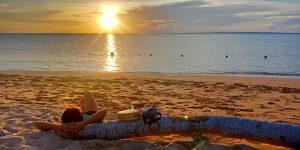
Jeju Island, often dubbed the “Hawaii of South Korea,” is a volcanic paradise that draws nature lovers and adventure seekers alike. With dramatic cliffs, lush fields, and cascading waterfalls, the island’s stunning landscapes feel like something out of a dream. As a UNESCO World Heritage Site, Jeju offers the perfect blend of breathtaking views, rich culture, and exciting activities. This Jeju Island Travel Guide serves as a complete Jeju Island travel, helping you uncover the very best the island has to offer—from iconic landmarks to hidden gems—whether you’re planning a first visit or a scenic Jeju winter trip.
In this post, I’ll take you on a journey through my unforgettable adventure on Jeju Island—chasing waterfalls, exploring scenic spots, and diving into the island’s vibrant culture—while sharing practical tips and experiences to make this Jeju Island Advendture both informative and inspiring.
Table of Contents
Jeju Island Travel Guide: My Journey Through Korea’s Island Paradise
For this trip, my partner and I joined a tour with Jonah’s Travel, one of the top agencies for international trips. We decided to visit Jeju during the winter to experience the island’s charm in a whole new light—misty landscapes, a crisp chill in the air, and the chance to see snow.
One interesting fact about Jeju is that, although it’s part of South Korea, it’s visa-free for many travelers. This makes it an easy getaway for those who want to explore the island without the hassle of getting a visa.
Since there are no direct flights from Manila to Jeju, we took a connecting flight. We had options like Manila-Taiwan-Jeju or Manila-Singapore-Jeju, but chose the Manila-Hong Kong-Jeju route via Hong Kong Express.
The flight from Manila to Hong Kong took around 2.5 hours. After a four-hour layover, we boarded our next flight, which took another three hours to reach Jeju. We landed at 7 AM, with the sky still dark—Jeju is an hour ahead of Manila time.


Jeju Island Travel Guide: First Impressions & a Chill Stop at Starbucks Seogwipo
Since our Jeju Island Travel Guide tour bus was scheduled to arrive at 8 AM, we took some time to enjoy a warm breakfast and withdraw Korean Won (KRW) for the day. Over coffee, we chatted and reviewed the itinerary, feeling excited and ready to kick off our Jeju Island Adventure.
The tour bus arrived right on time, and as we stepped outside, a wave of cold air greeted us. Coming from a tropical climate, the crisp winter air was a stark contrast to what we were used to—it felt both refreshing and unfamiliar. We bundled up in our jackets, still adjusting to the chill, but the excitement of exploring a new destination during our Jeju Island Adventure made it all the more invigorating.


Our first stop on this Jeju Island Travel Guide itinerary was Starbucks Seogwipo, located about an hour away by bus. While Starbucks is a familiar sight in many countries, this branch had a unique charm—modern yet cozy, with large glass windows offering a pleasant view of the surrounding area. We snapped a quick photo outside to mark the moment before hopping back on the bus, eager to continue our Jeju Island Adventure toward Seongsan Ilchulbong.


Jeju Island Travel Guide: Seongsan Ilchulbong: The Sunrise Peak
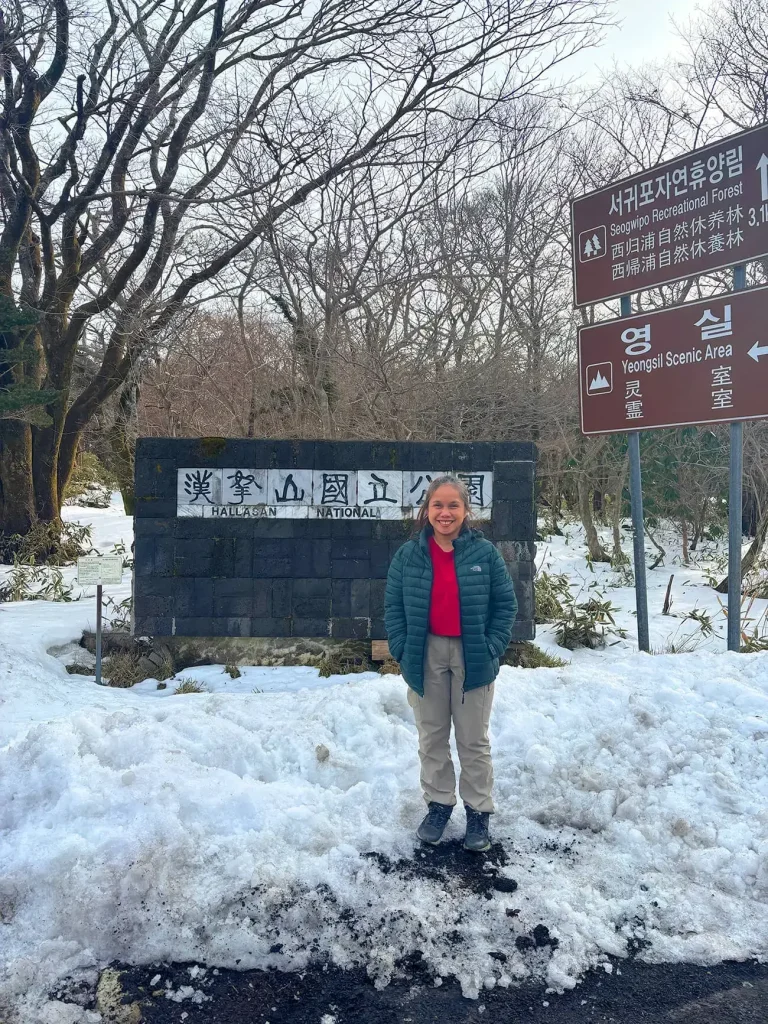
As outlined in our Jeju Island Travel Guide, the drive to Seongsan Ilchulbong took roughly an hour, giving us plenty of time to soak in the island’s ever-changing scenery. This part of our Jeju Island Travel journey was especially memorable, as the roads gradually climbed in elevation and revealed sweeping coastal views and quiet countryside landscapes. Along the way, we passed a sign for Hallasan National Park and decided to make a quick stop. A gentle snowfall had begun to blanket the area, creating a magical winter scene and setting the perfect tone for our Jeju winter trip.



Klook.com
Arriving in the afternoon, we were greeted by crisp, cool air—refreshing despite the sun shining overhead. Seongsan Ilchulbong, also known as Sunrise Peak, is a volcanic tuff cone formed over 5,000 years ago and is one of the most iconic landmarks featured in any Jeju Island Travel. Famous for its massive crater and dramatic cliffs, the summit is renowned for offering one of the most spectacular sunrise views in the world, making it a must-visit stop on any Jeju Island Adventure.
The hike to the summit took approximately 20 to 30 minutes, with several scenic viewpoints along the well-maintained trail. As we climbed, we paused frequently to admire the views of Seongsan-ri village below—an incredible blend of coastal scenery, farmland, and distant ocean views. Each stop added to the excitement, reminding us why Seongsan Ilchulbong is a highlight of Jeju Island Travel.
Once we reached the top, we were rewarded with a breathtaking panoramic view. The vast blue ocean stretched endlessly toward the horizon, contrasting beautifully with the rugged volcanic landscape beneath our feet. Standing at the summit felt surreal, and it was easy to understand why this spot is celebrated in every Jeju Island Travel Guide.
After taking photos and fully soaking in the scenery, we began our descent. Even though we had already captured countless shots, we couldn’t resist stopping again and again to admire the surroundings. What was supposed to be a quick walk down turned into a slow and deliberate stroll, as the beauty of the landscape kept drawing us back for one last look. In the end, a descent that should have taken only minutes stretched into more than an hour and a half—a true testament to how captivating this Jeju Island Adventure was.


Back at the entrance, we explored the nearby shops and treated ourselves to classic Korean street food. We enjoyed strawberry tanghulu, warm fish cakes, and crispy corn dogs—the perfect way to end a memorable stop on our Jeju winter trip. It was a delicious and satisfying conclusion to yet another unforgettable chapter of our Jeju Island Travel Guide journey.


Klook.com
Jeju Island Travel Guide: Noksan-ro Canola Flower Fields
After a quick snack, we boarded our bus and continued our journey to the next stop on our Jeju Island Travel Guide itinerary—the Seongsan Canola Flower Field along Noksan-ro (Noksan Road). Located just a short drive from Seongsan Ilchulbong, this scenic spot is incredibly easy to include in any Jeju Island Travel plan, especially when exploring the eastern side of the island.
Noksan-ro stretches for several kilometers, bordered by vast fields of vibrant golden canola flowers that bloom beautifully during the colder months. Visiting this area during our Jeju winter trip felt like stepping into a postcard, with the bright yellow blossoms creating a striking contrast against the clear blue sky and surrounding countryside. It’s no surprise that this picturesque road has been featured in several Korean dramas—most notably When Life Gives You Tangerines—further cementing its reputation as a must-see location in any Jeju Island Adventure.
Once we arrived, our group eagerly stepped off the bus, instantly drawn to the stunning landscape before us. We took our time wandering through the area, capturing photos from every angle and fully immersing ourselves in the peaceful atmosphere. The endless rows of canola flowers swaying gently in the breeze made the experience feel almost surreal, adding another unforgettable moment to our Jeju Island Adventure.
Standing there, surrounded by golden fields and open skies, it was easy to appreciate the quieter, more scenic side of Jeju Island Travel—one that balances iconic landmarks with simple yet breathtaking natural beauty. It was a perfect follow-up to our visit to Seongsan Ilchulbong and a highlight of our Jeju winter trip that we won’t soon forget.


Klook.com
Jeju Island Travel Guide: Jeongbang Waterfall and Seogwipo Maeil Olle Market
Our group then made our way to Seogwipo for the final stop of the day—Jeongbang Waterfall, where we would also be staying for the night. As noted in our Jeju Island Travel Guide, the journey from Seongsan took about an hour and a half, giving everyone a chance to rest, nap, or simply enjoy the scenic drive along Jeju’s southern coast. This quieter stretch of Jeju Island Travel was a welcome break after a day filled with exploration.
We arrived at the entrance of Jeongbang Waterfall at around 4:00 PM and began walking downhill toward the falls. As we approached, the sound of rushing water grew louder, and the view gradually opened up to reveal the vast blue ocean beyond. The contrast of cascading freshwater against the sea created a dramatic and refreshing scene—one that perfectly captured the natural beauty highlighted in every Jeju Island Travel Guide.
Jeongbang Waterfall is one of Jeju’s most popular attractions, largely because it is one of the few waterfalls in Asia that flows directly into the ocean. Visiting it during our Jeju winter trip added a unique charm, with the cool air and softer light enhancing the overall atmosphere. We spent time taking photos, admiring the powerful cascade, and soaking in the coastal scenery—another unforgettable moment in our Jeju Island Adventure.
After enjoying the waterfall, our group made our way back to the bus and continued on to our hotel in Seogwipo. As the day came to an end, the mix of ocean views, volcanic landscapes, and iconic landmarks made it clear why Jeju Island Travel offers such a rich and diverse experience. It was the perfect way to wrap up a full day of sightseeing before settling in for the night.


By 5 PM, we arrived at Hotel Gaon J Stay. After checking in and freshening up, we explored the area and headed to Seogwipo Maeil Olle Market for dinner.


The market was alive with energy, lined with stalls offering sizzling local delicacies, handmade crafts, and unique souvenirs. The aroma of street food filled the air, while the vibrant crowd and cheerful vendors added to the lively, welcoming atmosphere—a perfect glimpse into Jeju’s local culture.
After exploring the stalls and choosing what to try, we sat in an open dining area and enjoyed a variety of dishes, with some soju to complete the experience. After dinner, we returned to the hotel to rest for the next day’s hike up Mt. Hallasan.


Hallasan Hike: A Change of Plans
Our group woke up at 3 AM to prepare, and by 4 AM, we were on our way to Mt. Hallasan. The surroundings were dark and cold as we stepped out of the hotel, and even inside the bus, the chill of Jeju’s winter lingered. Fortunately, the bus had a heater to provide some warmth.
Klook.comAfter about an hour, we arrived at the jump-off point for Mt. Hallasan. As we stepped off the bus, the cold was noticeably harsher. Unfortunately, we were informed that the trail was closed due to severe weather conditions, making it unsafe to proceed.
With no other option, the group decided to return to the accommodation. Before leaving, we took a few quick photos at the entrance of Mt. Hallasan to mark the moment.


On the way back, there was a sense of disappointment, as the Hallasan hike had been one of the highlights we were most looking forward to. Thankfully, our tour organizer quickly came up with a backup plan. Instead of the hike, we would head to Ecoland Theme Park for a different kind of experience.
Jeju Island Travel Guide: Exploring Ecoland Theme Park
Getting to Eco Land Theme Park from Seogwipo takes about two hours and requires two bus rides. First, we went to the Seogwipo Jungang Rotary bus station and took Bus 182 to Jeju City, which took around 1 hour and 10 minutes. At the Jeju Bus Terminal, we switched to Bus 121, which took us to Namjo-ro Checkpoint, just a short walk from Eco Land. That second ride lasted about 30 minutes.


The fare ranges from ₩3,900 to ₩5,500. Note that bus schedules typically do not have English translations, making it harder to understand the destination markings.
Upon arrival, we bought adult tickets for ₩16,000 each. We then took a break for coffee to warm up before boarding the train to explore the park’s various stops.
Klook.comEcoland Hotel


We began at the first stop, crossing a bridge over a flowing stream. The winter air and vibrant foliage created a peaceful atmosphere. A bakery, café, art gallery, and souvenir shop added to the charm of the stop.
Continuing our walk, we captured scenic photos along the way. A Dutch-inspired windmill caught our attention, and we also found an iconic photo spot with a telephone booth and red petal-covered train tracks.


Next, we moved on to Winter Forest Station, which featured a hobbit house, café, and souvenir shop. After taking more photos, we boarded the train to Lavender, Green Tea & Rose Garden Station.


Although the Lavender, Green Tea & Rose Garden Station is known for colorful blooms, they weren’t in season during our visit. After strolling through the garden and taking photos, we boarded the train to return to the entrance.
Before leaving, we captured a few final shots in the snow-covered landscape, reflecting on our time at Eco Land. Tomorrow, we’ll be leaving Jeju Island with fond memories of the trip.


A Memorable Adventure
Despite the unexpected changes to our itinerary, Jeju Island exceeded all expectations. The stunning landscapes, rich culture, and spontaneous adventures made this trip truly unforgettable. Whether you visit in winter or any other season, Jeju offers a unique blend of nature, excitement, and relaxation that will leave you with memories to last a lifetime. And of course, we’ll be back—to try again and finally witness the breathtaking summit of Mount Hallasan.
Klook.com
Stay tuned for my next post, where I’ll share more about our side trip to Hong Kong and Macau before heading home!
Jeju Island Travel Guide Tips
- Plan for Weather Variability: Jeju’s weather can be unpredictable, especially in winter. While it can be chilly and snowy, temperatures can also vary depending on the region. Dress in layers and bring a light waterproof jacket to stay comfortable.
- Public Transport: If you’re planning to take public buses, be prepared for some language barriers. Bus schedules and destination markings might not have English translations, so it’s helpful to use apps like Google Maps or KakaoMap to navigate.
- Visa-Free Access: Jeju Island is a visa-free destination for travelers, which makes it an ideal quick getaway for those planning to visit South Korea without the hassle of obtaining a visa.
- Stay Flexible: Weather conditions can affect hiking schedules, especially in the winter months. Always have a backup plan, like visiting indoor attractions or exploring alternative outdoor sites, to make the most of your time.
- Pack Cash: While credit cards are accepted in most places, it’s always good to have some Korean Won (KRW) on hand, especially for small purchases or at local markets.
- Embrace Local Food: Jeju has a rich culinary culture. Don’t miss out on trying the island’s specialty dishes like black pork and Jeju tangerines. Visiting local markets like Seogwipo Maeil Olle Market is a great way to immerse yourself in the food scene.
- Stay Hydrated and Energized: With all the outdoor activities, be sure to carry water and snacks during hikes or long sightseeing days. This will keep your energy up as you explore the island.
Jeju Island Travel Guide FAQs
What is the best time to visit Jeju Island?
The best time to visit Jeju Island depends on your preference. Spring (March to May) offers cherry blossoms, while autumn (September to November) has cool weather and clear skies. A Jeju winter trip (December to February) is also popular for snow-covered landscapes and fewer crowds.
How many days do you need in Jeju Island?
A well-planned Jeju itinerary usually takes 3 to 5 days. This gives you enough time to explore major attractions, scenic coastal areas, and hidden gems featured in a Jeju Island Travel Guide.
How do you get around Jeju Island?
The best way to explore Jeju is by renting a car. Public buses are available but can be time-consuming. Many travelers following a Jeju Island travel guide prefer driving for flexibility when visiting multiple spots in one day.
What are the best things to do in Jeju Island?
Some of the best things to do in Jeju Island include:
Hiking Hallasan (South Korea’s highest mountain)
Visiting waterfalls like Cheonjiyeon and Jeongbang
Exploring lava tubes such as Manjanggul Cave
Relaxing at beaches and coastal viewpoints
Is Jeju Island worth visiting in winter?
Yes, a Jeju winter trip is absolutely worth it. You can experience snow-covered landscapes, fewer tourists, and unique seasonal views—especially around Hallasan and the island’s scenic coastal areas.
Do you need a guide for Jeju Island?
No, you don’t necessarily need a guide. Jeju is very DIY-friendly, and many travelers follow a Jeju Island Travel Guide to plan their itinerary, transportation, and must-visit locations.
If you enjoyed this travel story, don’t miss our other international adventures—each one is filled with inspiring journeys waiting to be discovered