Mount Kinabalu is one of Southeast Asia’s most iconic mountain adventures, rising to 4,095 meters above sea level as the highest peak in Malaysia. In this Mt Kinabalu Hike Guide, you’ll discover everything you need to plan your climb—from a detailed itinerary and preparation tips to what to expect during the summit push. Located in Sabah within Kinabalu National Park, a UNESCO World Heritage Site, the mountain is celebrated for its extraordinary biodiversity, dramatic granite formations, and ever-changing alpine landscapes that make every step of the journey unique.
A Mount Kinabalu climb is both physically demanding and incredibly rewarding, attracting hikers from all over the world. While the well-established trail system makes it accessible to those with good fitness levels, the challenge should not be underestimated. The combination of steep ascents, long trekking hours, and high altitude requires proper preparation, pacing, and mental endurance. Throughout the Mt Kinabalu trek, hikers pass through a stunning range of ecosystems—from dense tropical rainforest and mossy cloud forests to exposed granite slopes near the summit—each offering a different perspective of the mountain’s natural beauty.
One of the most remarkable aspects of the Mt Kinabalu hike is how quickly the landscape transforms as you gain elevation. Within just a day, you’ll experience multiple climate zones, making the climb feel like several adventures in one. Along the way, you’ll encounter unique flora and fauna found nowhere else in the world, reinforcing why the park is recognized globally for its ecological significance.
The ultimate highlight of the journey is reaching the Mount Kinabalu summit, also known as Low’s Peak. The early morning summit push is both challenging and exhilarating, often starting in the dark and cold before sunrise. As the first light of day breaks above the clouds, it reveals breathtaking panoramic views across jagged peaks and distant horizons. Standing at the summit after hours of effort is a moment of pure achievement—one that defines the entire Mount Kinabalu climb experience.
Whether you’re a first-time high-altitude hiker or an experienced adventurer, the Mt Kinabalu trek offers a perfect balance of challenge, natural beauty, and personal accomplishment. With the right preparation and mindset, this Mt Kinabalu Hike Guide will help you plan a safe, rewarding, and unforgettable journey to the Roof of Borneo—an experience that truly stands out among the best hikes in Southeast Asia.
Table of Contents
Mt. Kinabalu Hike Guide Overview
- Location: Sabah, Malaysia, within Kinabalu National Park (UNESCO World Heritage Site).
- Height: 4,095 meters (13,435 feet) – the highest peak in Malaysia and Southeast Asia.
- Biodiversity: Home to diverse ecosystems, rich in plant and animal species, some endemic to the region.
- Trekking Experience: Popular destination for trekkers, offering a challenging hike with rewarding views.
- Terrain: Ranges from lush rainforests to alpine meadows.
- Summit Views: Panoramic views, with a stunning sunrise at the summit being a major highlight.
- Climb Difficulty: Non-technical but physically demanding, suitable for climbers with basic fitness levels.
- Cultural Significance: Sacred to the indigenous Kadazan-Dusun people, who have spiritual ties to the mountain.
- Wildlife: Home to over 300 bird species, thousands of plant species, and various mammals.
- Unique Experience: Combines adventure with natural beauty, offering an unforgettable trek for nature lovers.
Mt Kinabalu Hike Guide: The Climbing Experience Begins
Mount Kinabalu Hike Guide is in Sabah, Malaysia, and getting there is easy. Since we are coming from Manila, we took a direct flight to Kota Kinabalu.
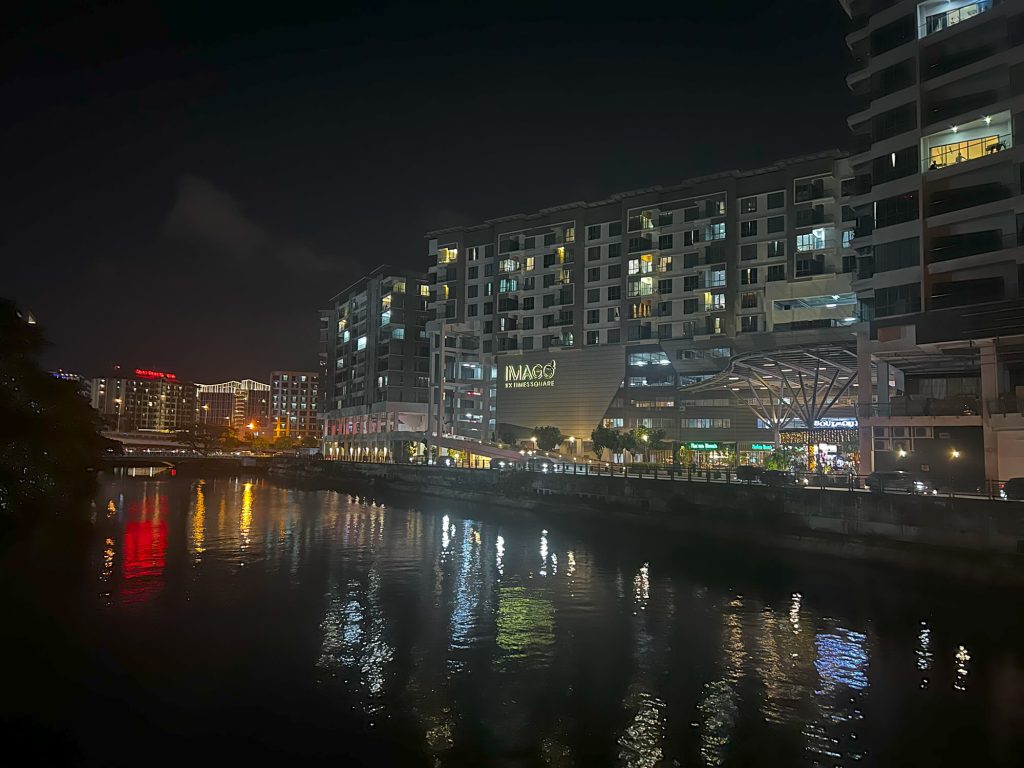
We arrived at the airport at night and booked a Grab to Faloe Hostel, where we checked in and dropped off our things. After settling in, we went out to explore a little and have dinner. After a good meal and some fun conversations, we headed back to the hostel to rest after the long flight. Tomorrow, we have a free day to explore the city before our hike to Mount Kinabalu.



Exploring Kota Kinabalu: A Visit to the Floating Mosque
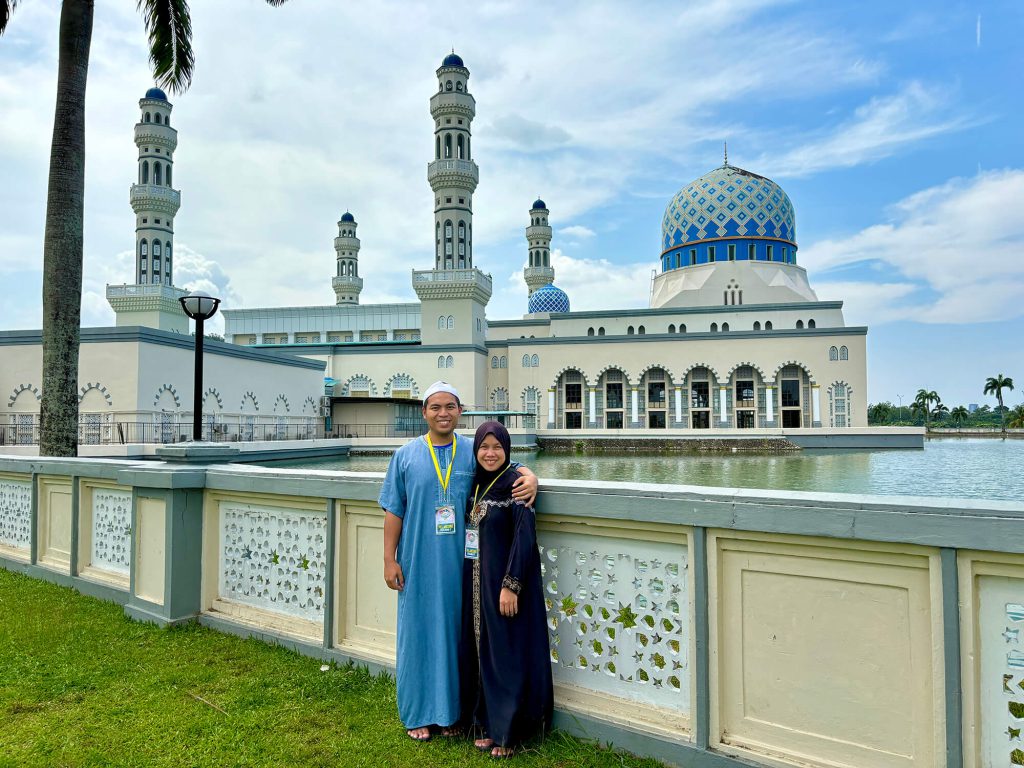
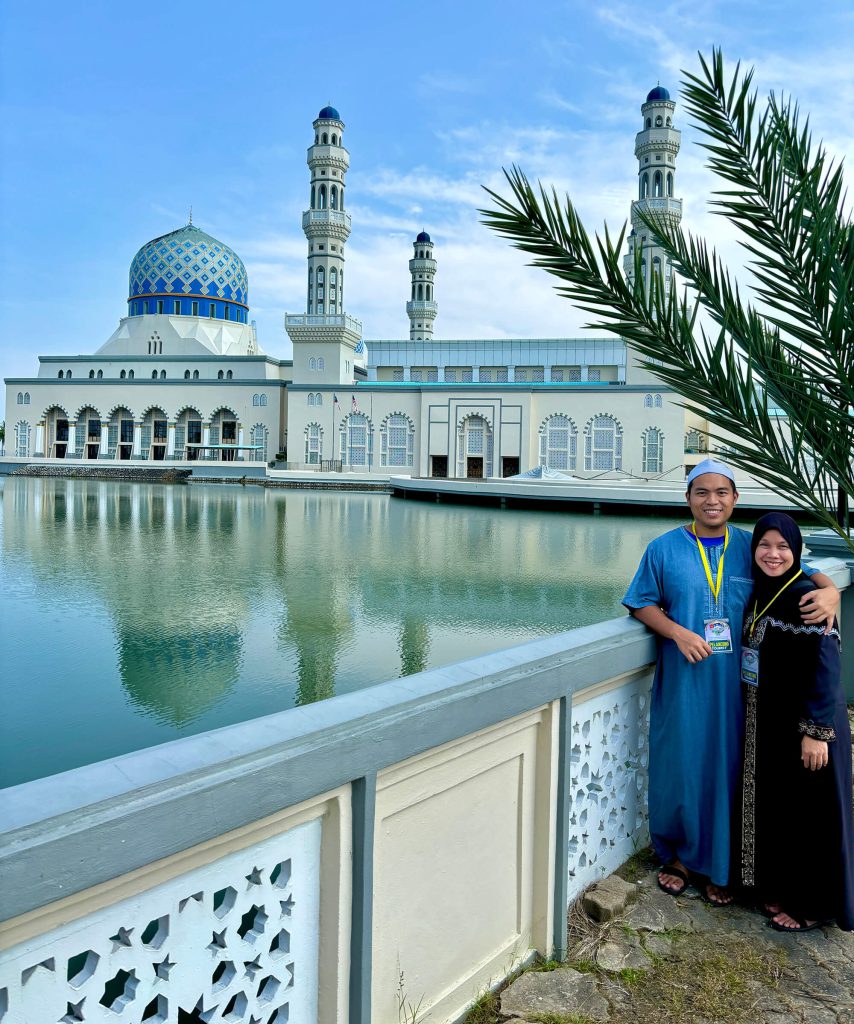
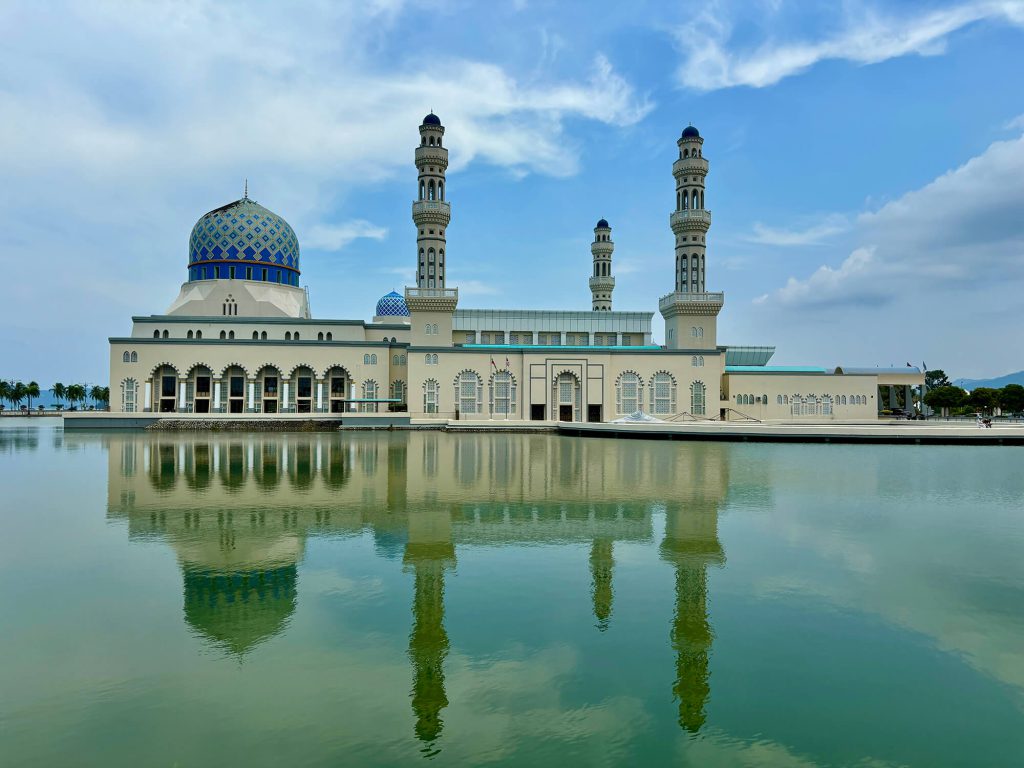
Klook.comOne of the places we visited was the Masjid Bandaraya, also called the Kota Kinabalu City Mosque. It’s one of Sabah’s most beautiful landmarks. Sitting by a lagoon, its white and blue structure creates a stunning reflection on the water, making it look like it’s floating. The peaceful atmosphere and breathtaking view made it a perfect spot to pause and take in the beauty of the city.



Mt Kinabalu Hike Guide: The Road to Mt. Kinabalu
Today is the day we start our journey to Mt. Kinabalu. We woke up at 3 AM in our hostel to prepare our things, as our service picked us up at 4 AM. The drive from the city to the jump-off point took around two hours.
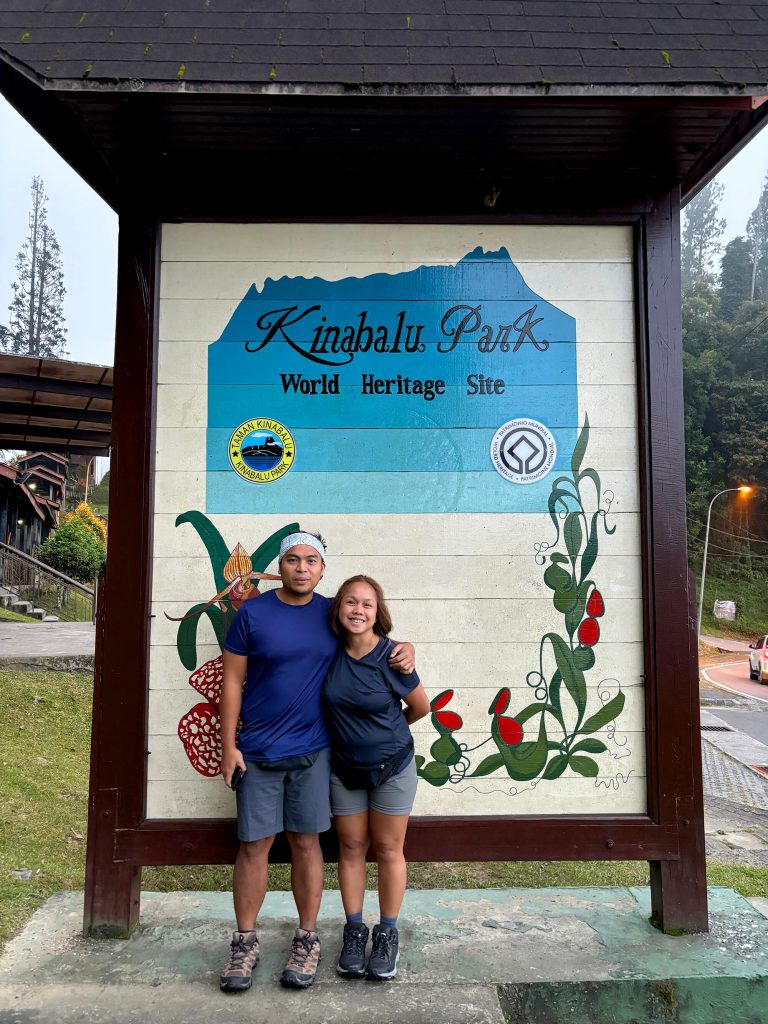
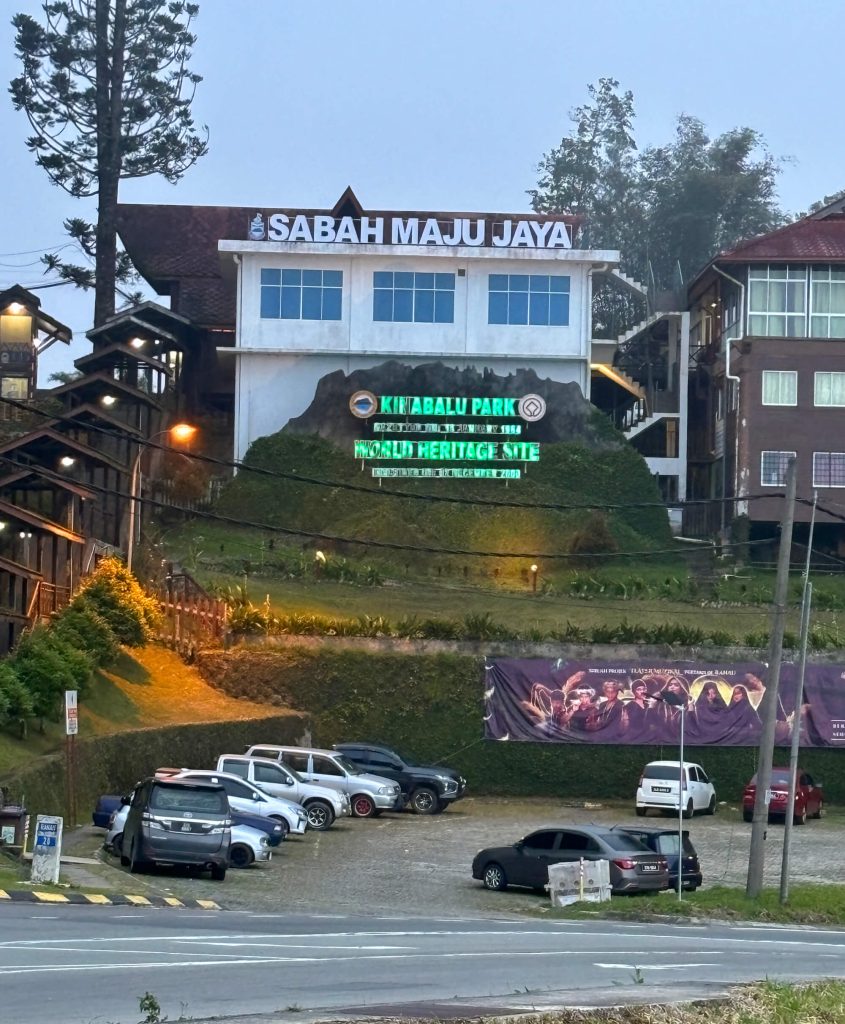
Klook.comAs we approached the uphill road around 5:45 AM, we caught our first glimpse of the beautiful Mt. Kinabalu. By 6 AM, we arrived at the jump-off point, where we took a short rest, had breakfast, and packed our lunch.
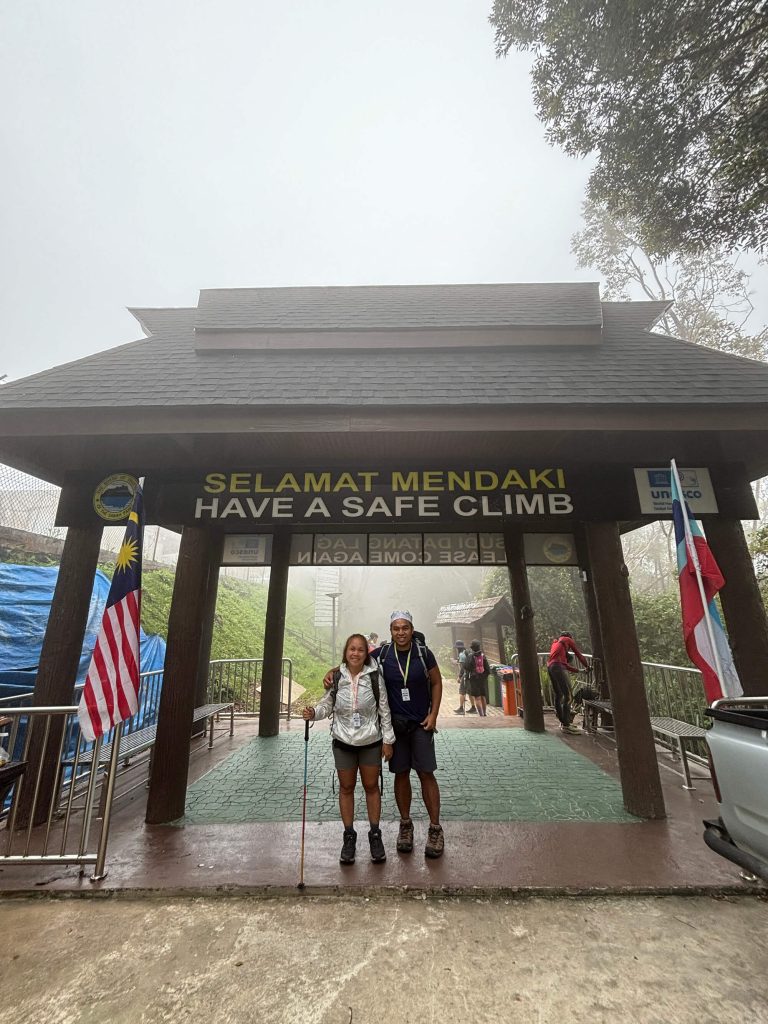
After registering, we took a bus to the trail entrance. Once there, our guide gave us a quick briefing about the mountain. With everything set, we finally began our hike.

Mt Kinabalu Hike Guide: The Ascent and a Test of Endurance
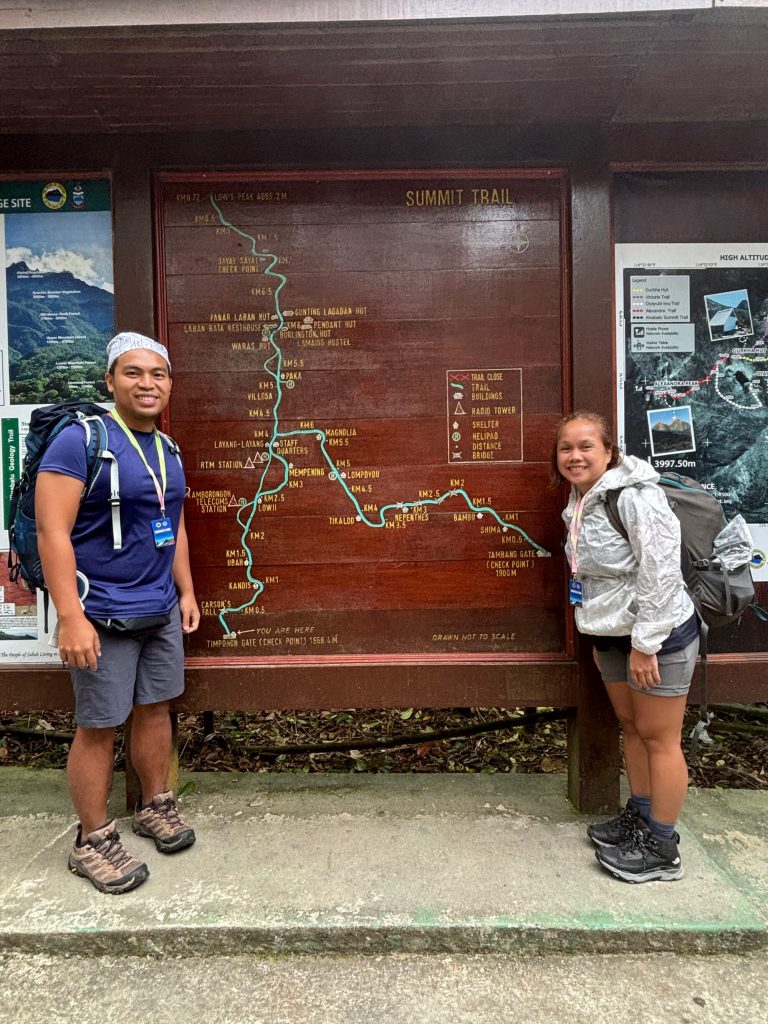
The hike from the jump-off point to Mount Kinabalu Climb covers approximately 8.5 kilometers. On the first day of the Mount Kinabalu Climb, our group’s goal is to reach the Panalaban accommodation, located about 6 kilometers from the starting point. This initial phase of the Mt Kinabalu Trek is crucial for acclimatization, allowing hikers to gradually adjust to the increasing altitude while maintaining a steady pace.
As we set off, the first few kilometers of the trail felt manageable, with well-maintained paths and a comfortable rhythm. However, as we progressed deeper into the Mount Kinabalu Climb, the terrain became noticeably steeper. Long stair sections challenged our legs and tested our endurance. During this stretch, I began to feel a mild headache—an early sign of altitude sickness, which is common during the Mt Kinabalu Trek. Fortunately, the discomfort remained manageable, allowing me to continue at a slower, more deliberate pace. As the ascent continued, the uneasiness faded into the background, replaced by complete awe at the surrounding scenery and the breathtaking views unfolding with every step upward.
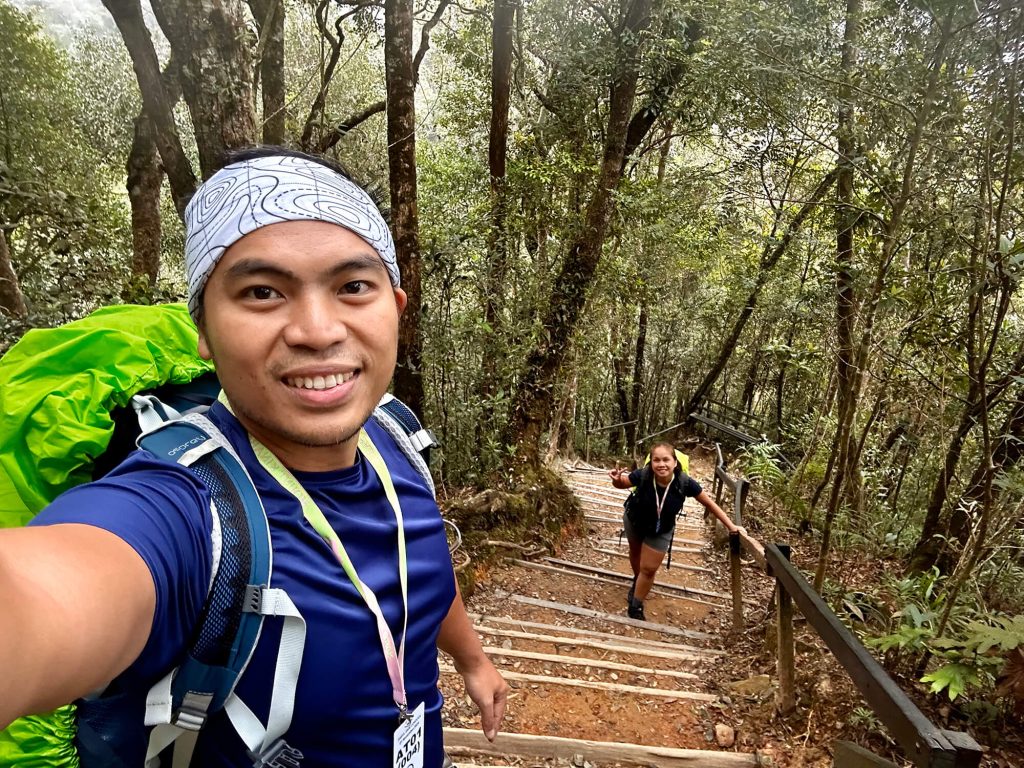
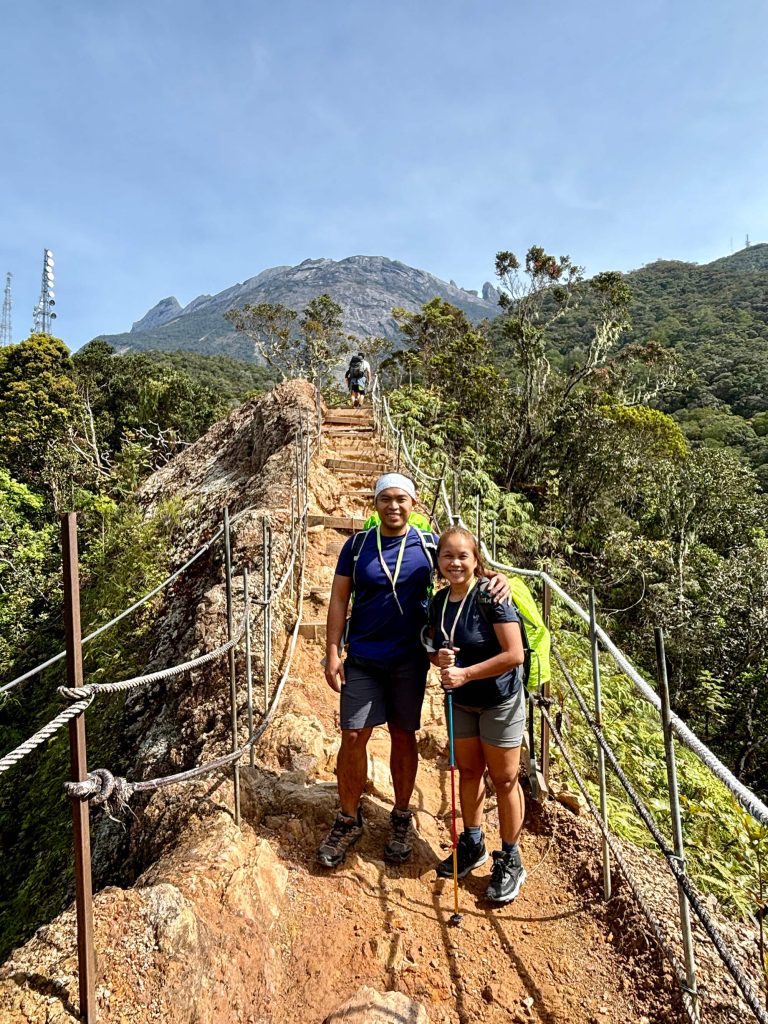
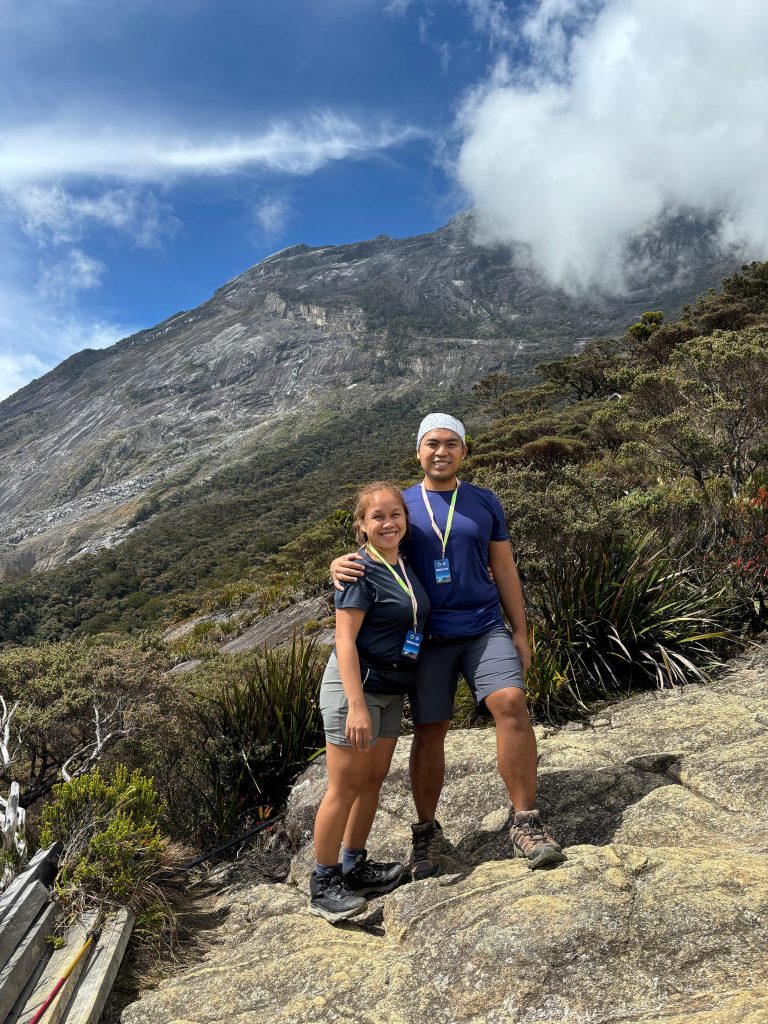
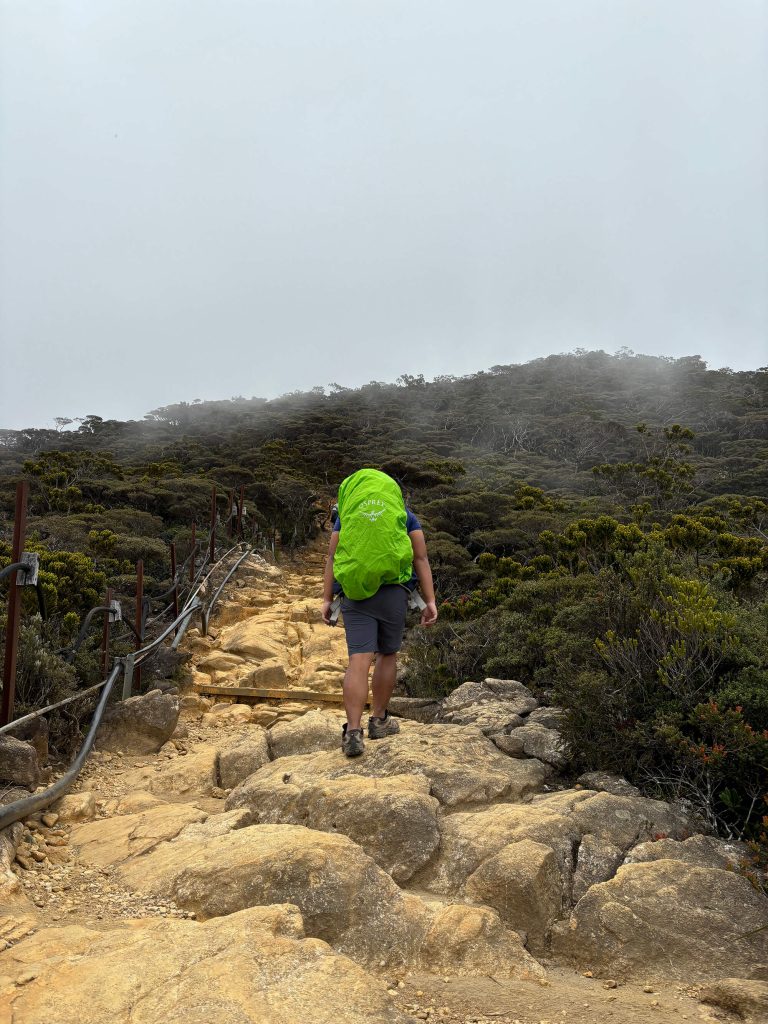
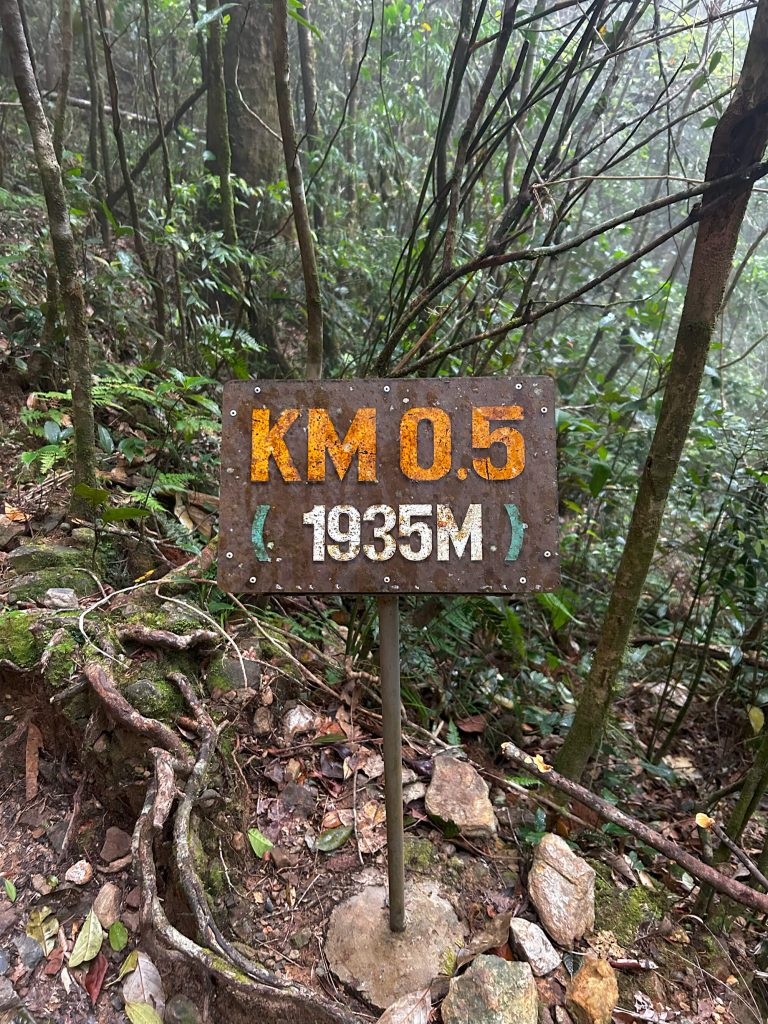
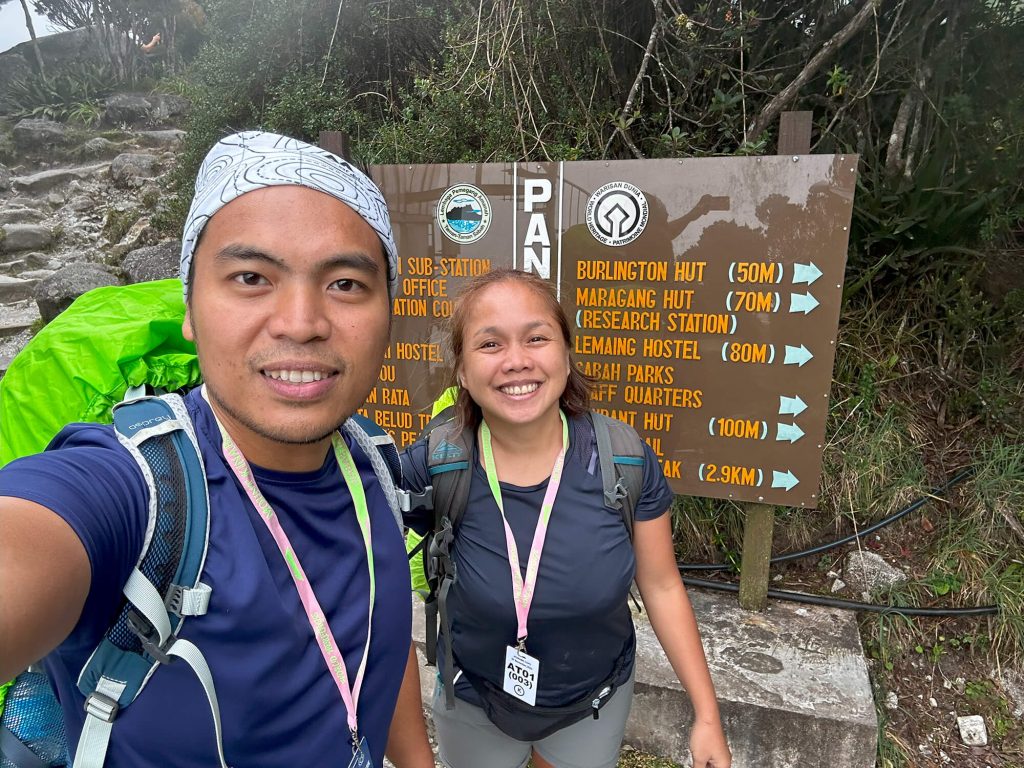
By around 4:00 PM, we finally reached the Panalaban accommodation, with daylight still illuminating the mountainside. Exhausted yet energized, our group took a short rest before settling in. Reaching this point felt like a major milestone in the Mt Kinabalu Hike Guide, as it marked the successful completion of the most physically demanding part of Day 1.
Eager to explore before nightfall, my partner and I wandered around the area and were rewarded with a breathtaking sunset. The sky slowly transformed into vivid shades of orange, pink, and purple, casting a warm golden glow over the rugged alpine landscape. After the demanding Mount Kinabalu Climb, this moment felt especially rewarding—a quiet reminder of why the Mt Kinabalu Trek is considered one of the most scenic mountain adventures in Southeast Asia.
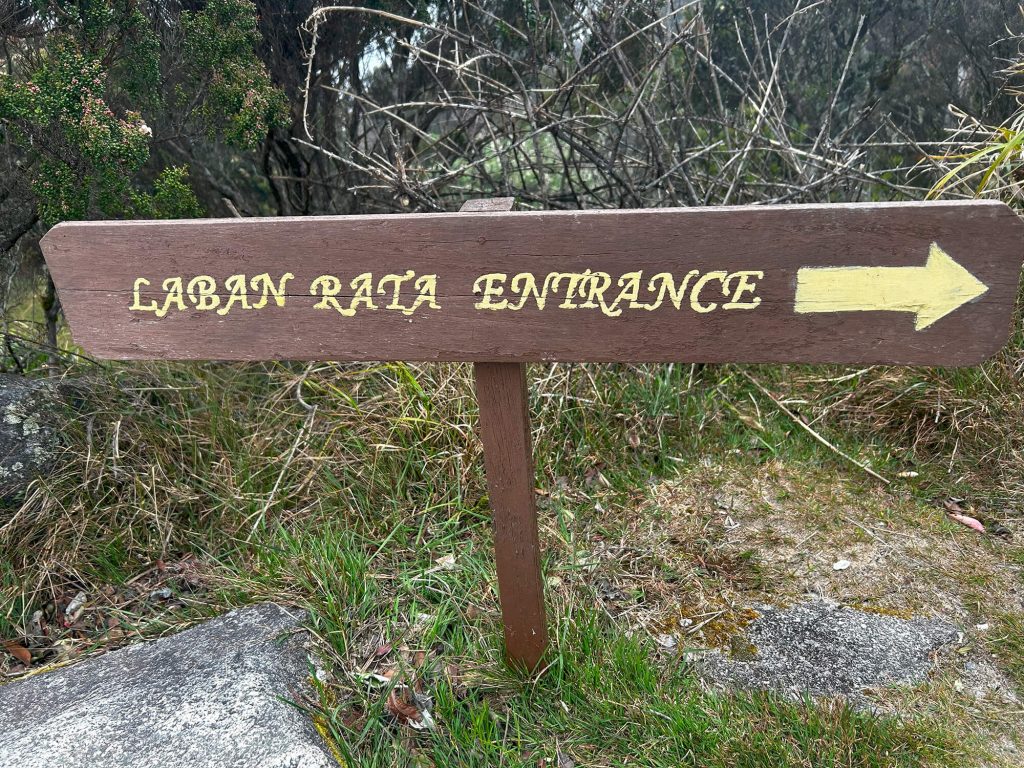
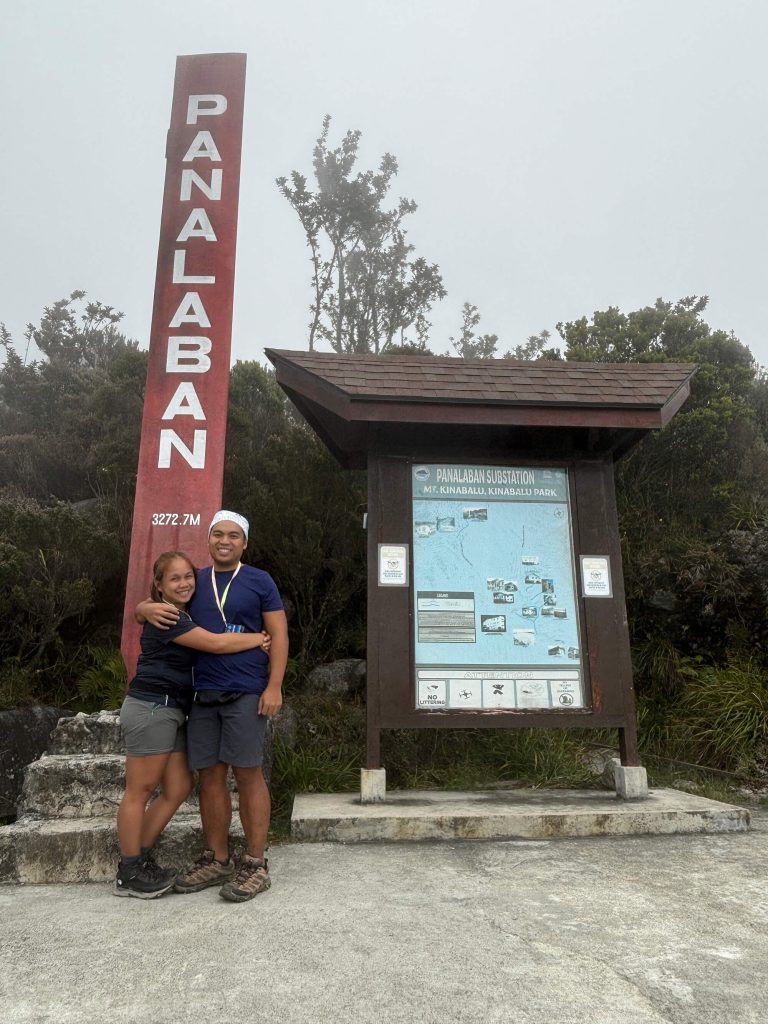

After taking in the views, we headed to the dining hall for dinner—one of the most enjoyable surprises of this Mt Kinabalu Hike Guide. One of the best aspects of the hiking package was the buffet-style dinner, offering a wide variety of flavorful dishes. After a long day on the trail, the hearty meal was a much-needed feast and the perfect way to refuel for the summit push ahead.
Once our hunger was satisfied, we returned to our room to rest. For the first time in my hiking experience, I was able to sleep comfortably—thanks to a cozy bed that felt like a luxury after hours on the trail. Even more impressive, the accommodation had a proper shower, allowing us to freshen up after the long and exhausting Mount Kinabalu Climb. This rare comfort made the night at Panalaban even more memorable and helped us recharge for the early-morning ascent to the Mount Kinabalu Summit the following day.
Mt Kinabalu Hike Guide: The Final Push to the Summit of Mt Kinabalu
It was finally the long-awaited day for our team to begin the final ascent from Panalaban to the Mount Kinabalu Summit, the iconic Roof of Borneo. The Mt Kinabalu Hike Guide notes that summit day requires an early start, so we woke up around 2:00 AM to prepare our gear, layer up against the cold, and have a quick but energizing supper. By 3:00 AM, we officially began the most challenging and rewarding phase of the Mount Kinabalu climb, trekking approximately 2.5 kilometers toward the summit under a star-filled sky.
This section of the Mt Kinabalu Trek is steep, exposed, and mentally demanding. Headlamps illuminated the rocky granite slabs as we moved carefully upward, focusing on each step. It’s important to note in any Mt Kinabalu Hike Guide that there is a strict cut-off time midway up the trail—you must reach the Sayat-Sayat checkpoint before 5:30 AM to be allowed to continue. This rule ensures climber safety, making steady pacing and time management crucial during the Mount Kinabalu Climb.
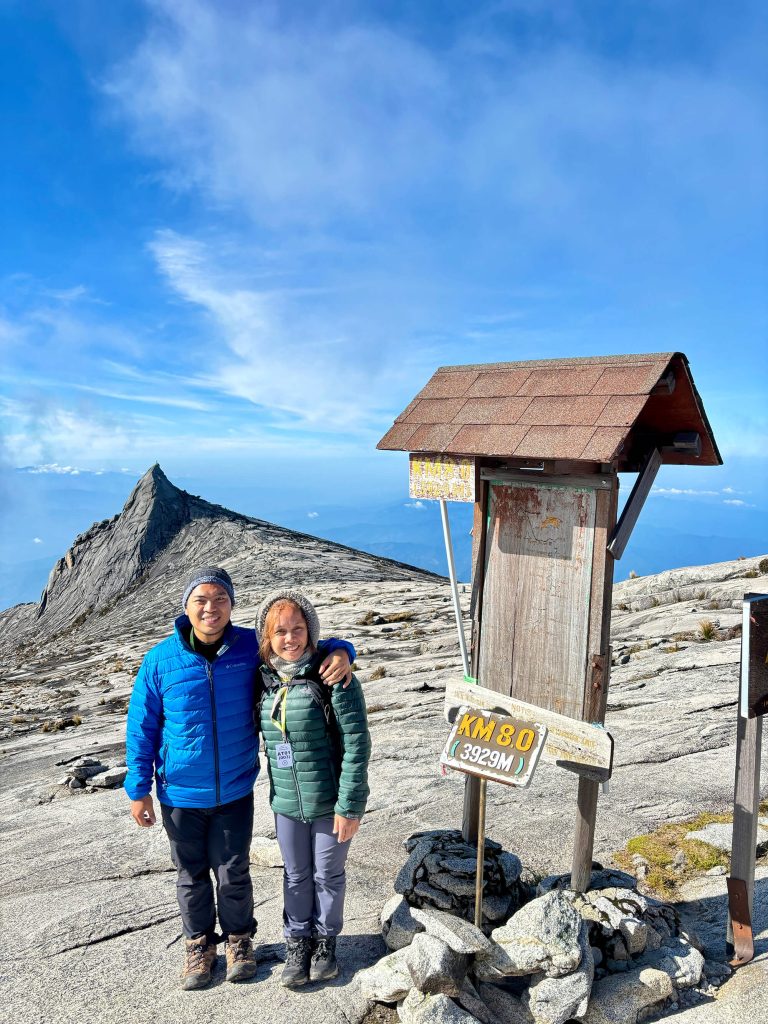
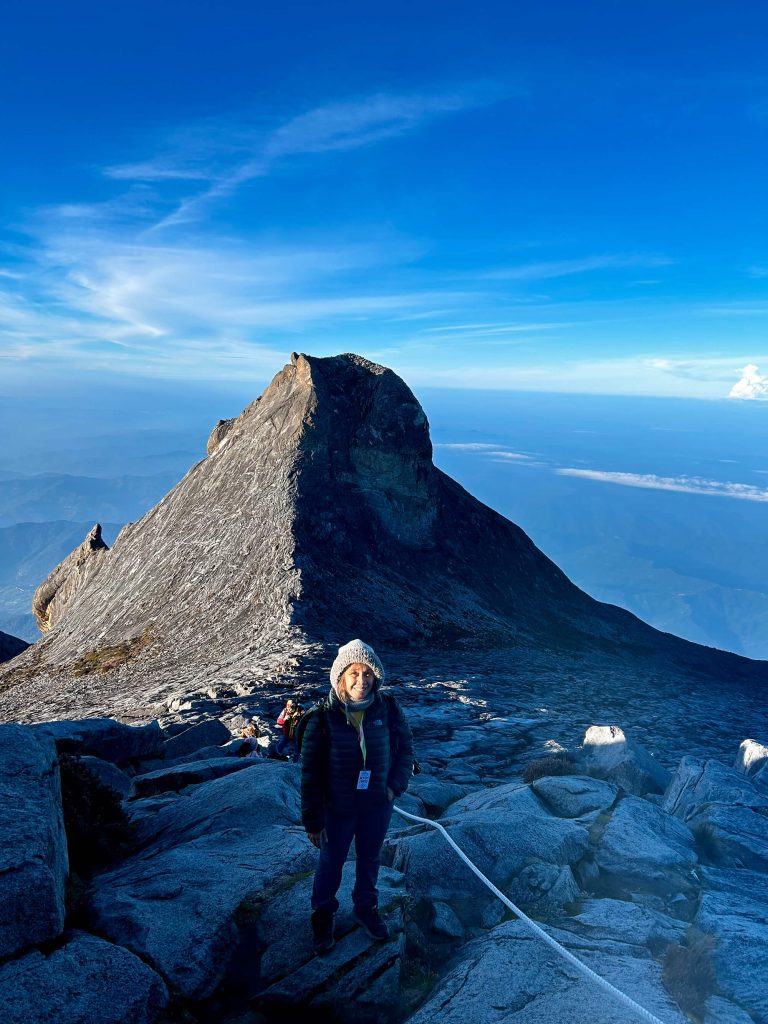
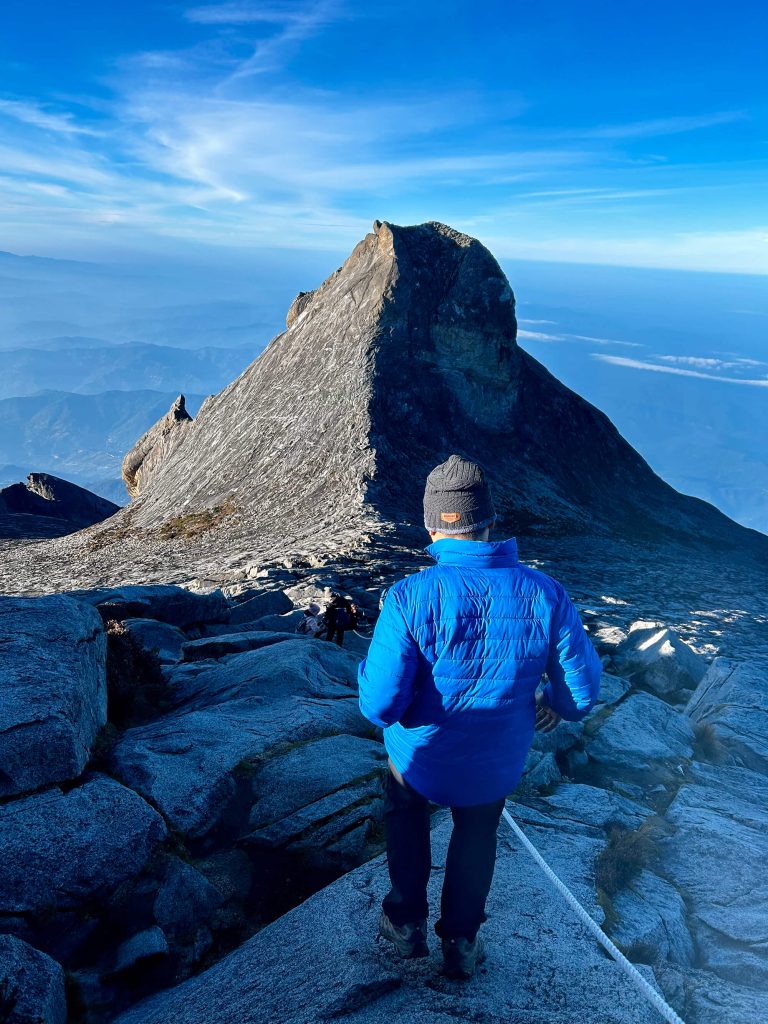
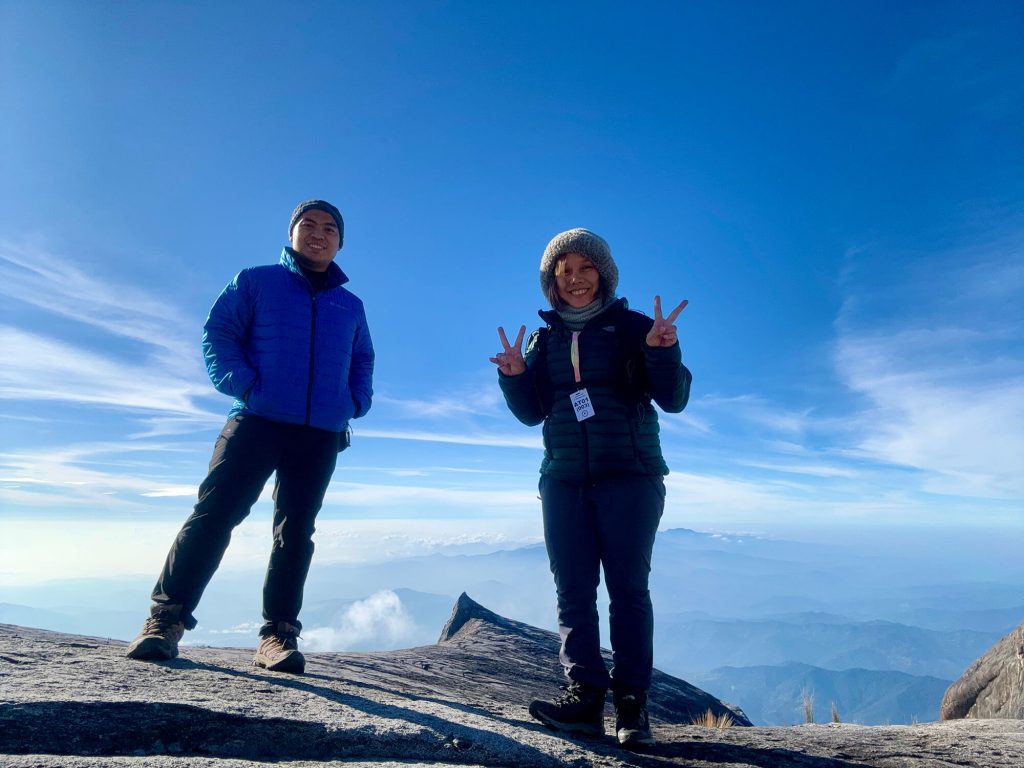
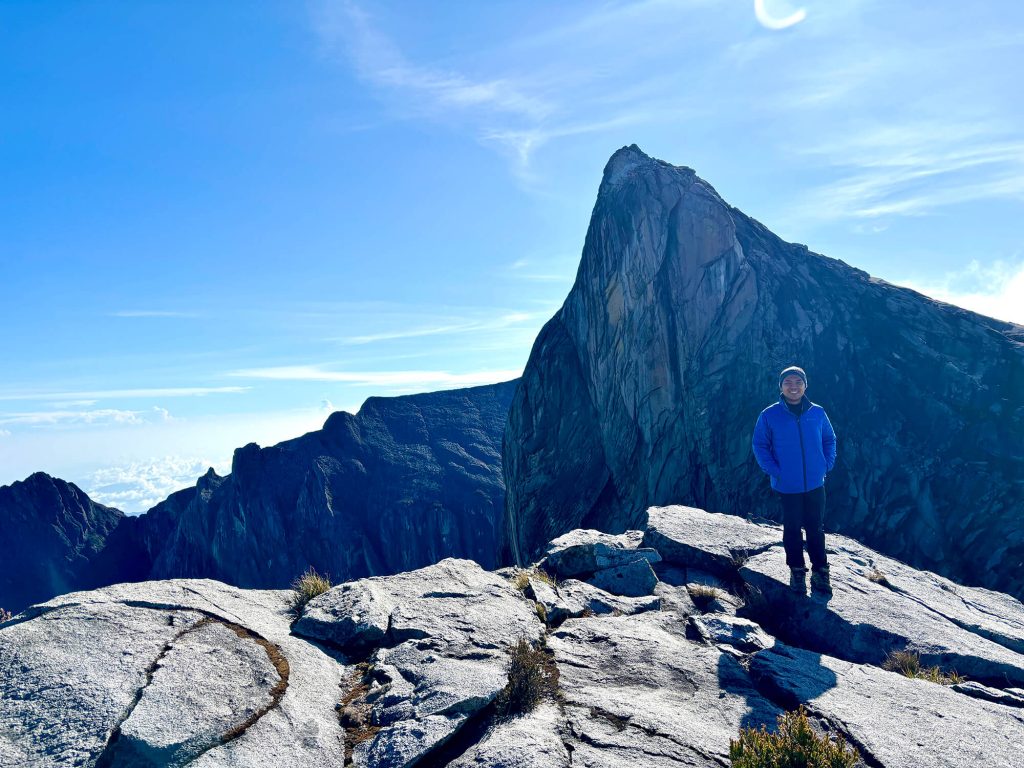
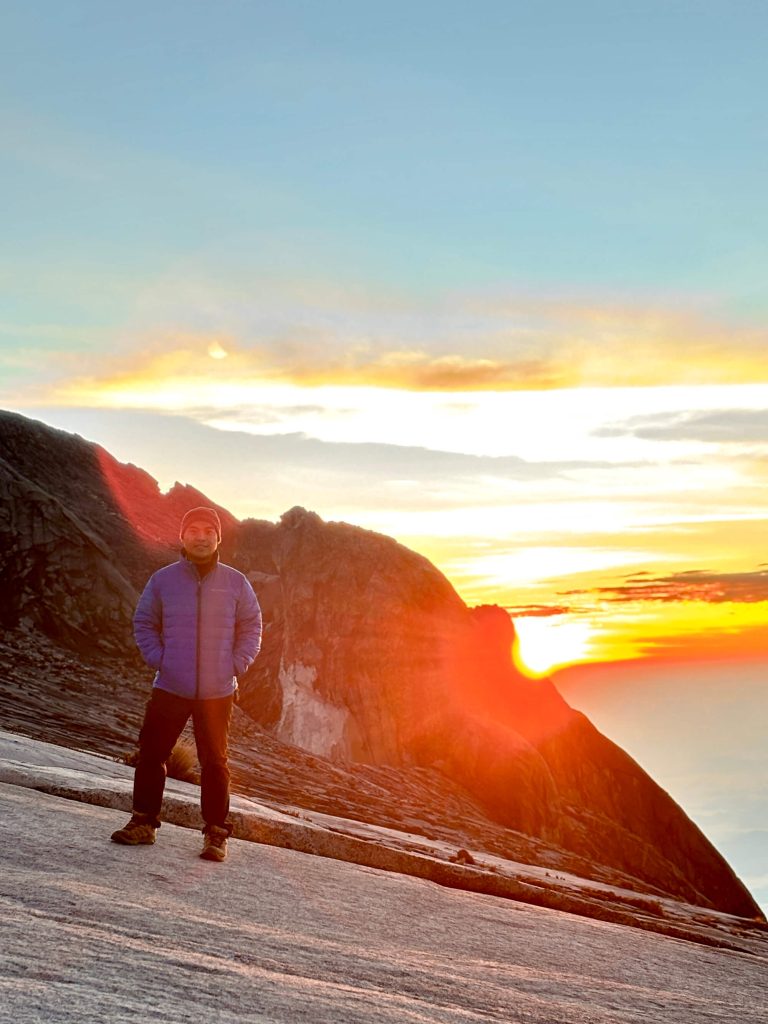
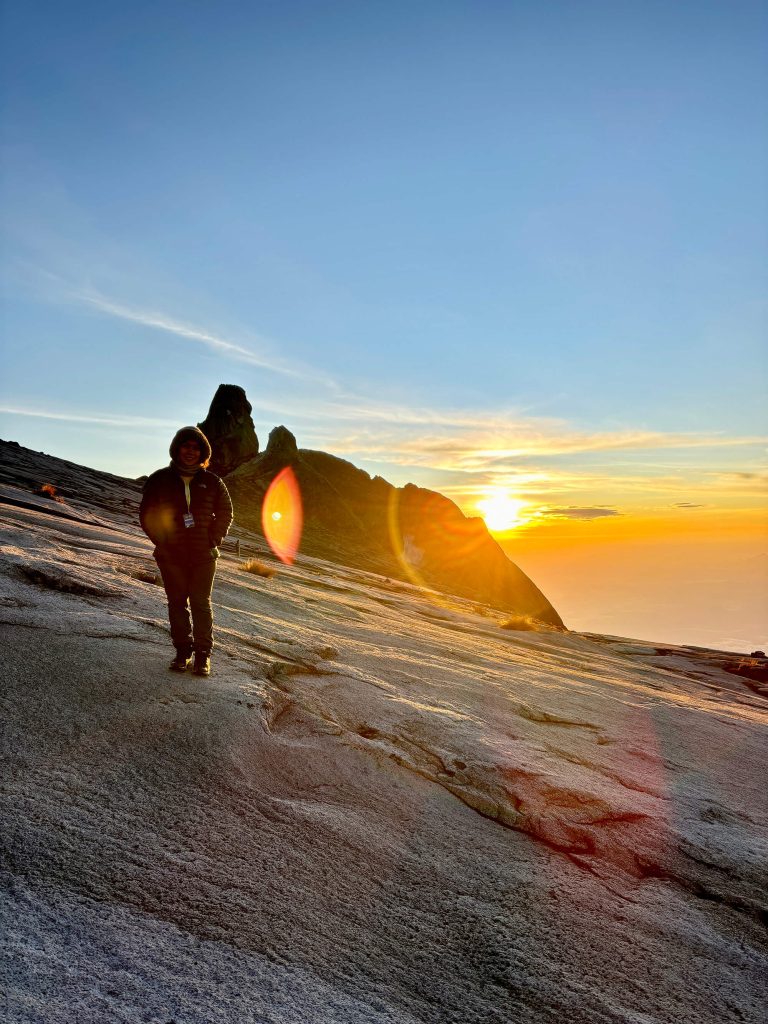
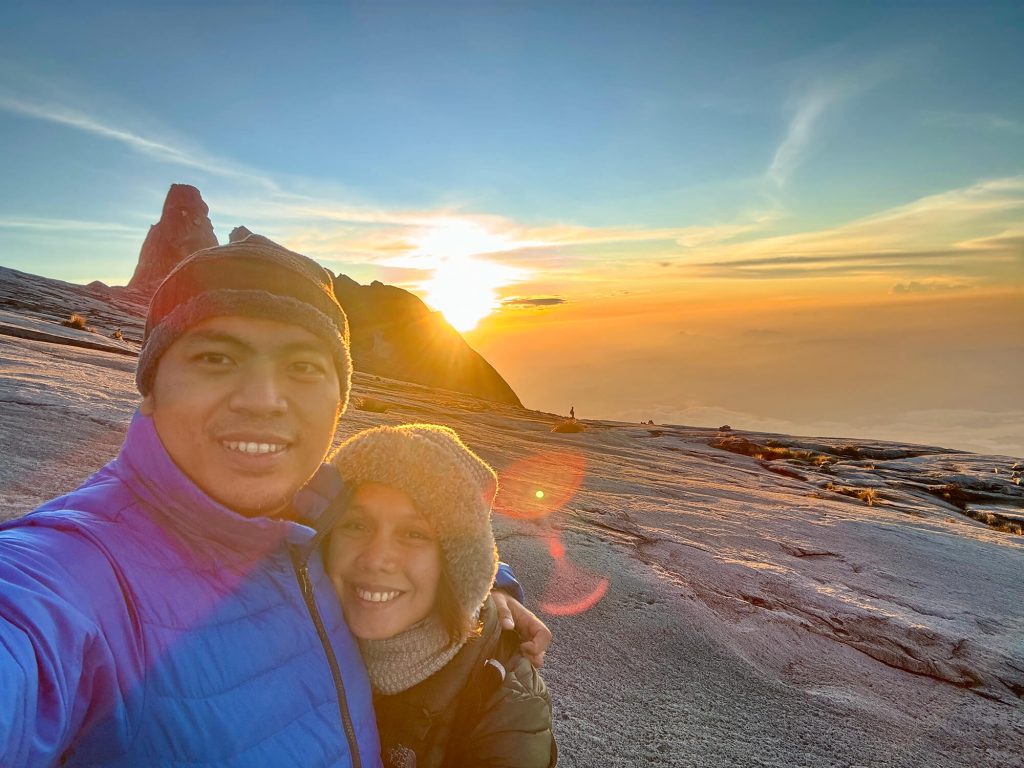
By around 6:00 AM, we had already reached the 8-kilometer mark, standing at an elevation of 3,922 meters above sea level, with only 0.5 kilometers remaining to the Mount Kinabalu Summit. We paused briefly to catch our breath and were rewarded with one of the most breathtaking sunrises imaginable. As the sun slowly emerged, the sky exploded into brilliant shades of gold, pink, and purple, illuminating the jagged peaks and clouds below—a truly unforgettable moment during the Mt Kinabalu Trek.
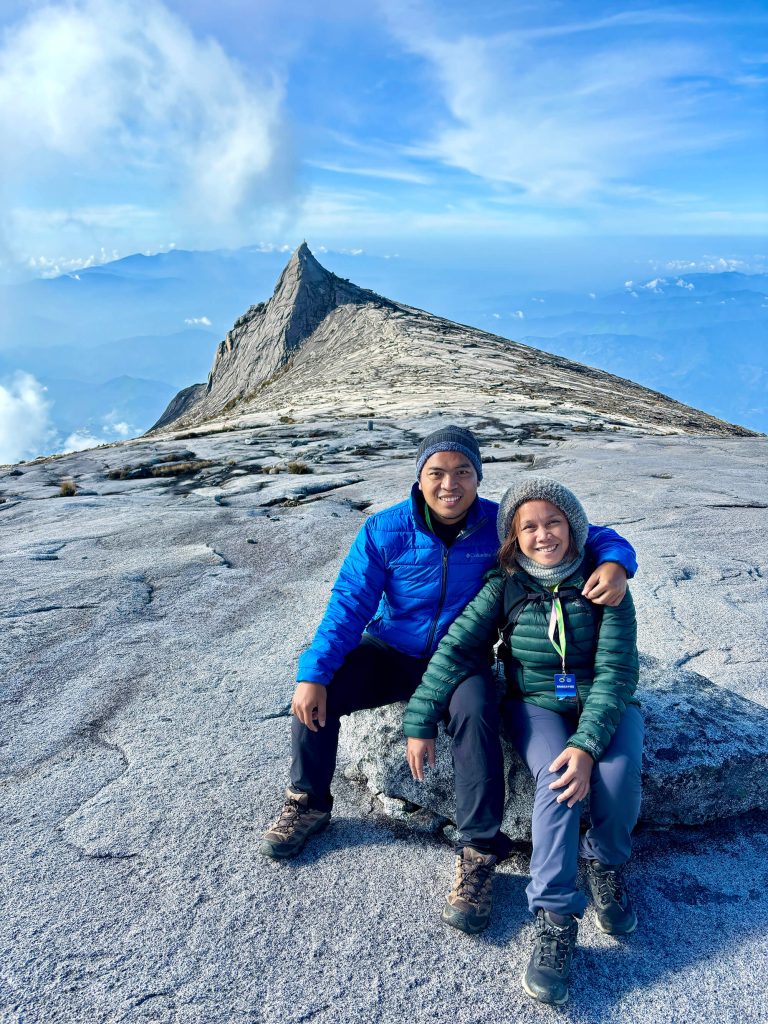
Klook.comAt 7:00 AM, we finally reached the summit of Mount Kinabalu, standing proudly at 4,095 meters above sea level. The feeling was nothing short of euphoric. Exhaustion melted away as we took in the sweeping panoramic views stretching endlessly across Sabah. Standing at the Mount Kinabalu Summit, we felt an overwhelming sense of triumph, gratitude, and awe—proof that every step of the Mount Kinabalu Climb was worth it and a defining highlight of this unforgettable Mt Kinabalu Hike Guide experience.



Mt Kinabalu Hike Guide: The Descent – A Test of Endurance
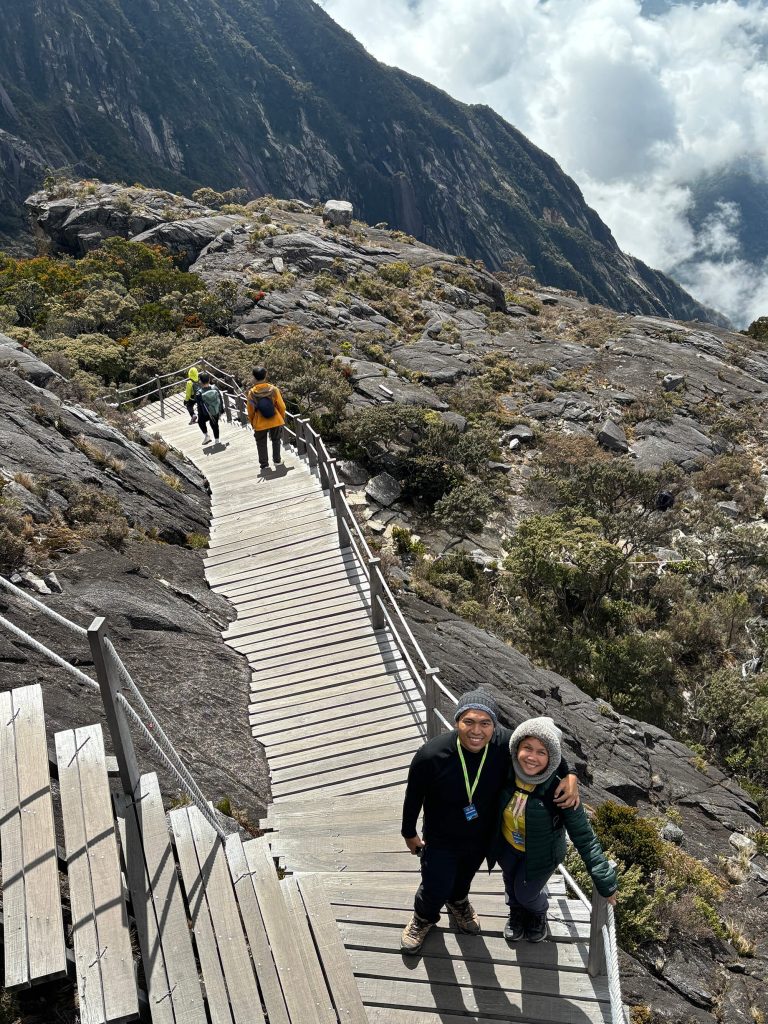
At around 8:00 AM, after soaking in the views from the Mount Kinabalu Summit, we began our descent back to Panalaban for a well-deserved breakfast and a short rest. This phase of the journey, as outlined in this Mt Kinabalu Hike Guide, allowed our bodies to recover after the intense summit push. The familiar trail felt different on the way down—lighter, calmer, and filled with a deep sense of accomplishment after completing the most demanding part of the Mount Kinabalu Climb.
After enjoying a hearty breakfast and packing our belongings, our group made the collective decision to continue the descent toward the jump-off point, officially starting the final stretch of our Mt Kinabalu Trek. Although fatigue lingered, the mood was relaxed and reflective. Each step downward brought us closer to the end of the Mount Kinabalu Climb, while also giving us time to replay the highlights of the journey—early-morning ascents, dramatic granite slopes, and the unforgettable sunrise above the clouds.
By around 3:00 PM, we finally reached the park gate, marking the completion of our Mt Kinabalu Hike Guide experience. From there, we boarded a bus back to the exit point, where a special moment awaited us. One by one, we proudly received our certificate of completion—a small but meaningful token symbolizing the challenges we overcame and the achievement of reaching the Mount Kinabalu Summit. It was the perfect conclusion to an unforgettable Mount Kinabalu Climb, leaving us with lasting memories and a deep sense of pride that will stay with us long after the trek ended.

Mt Kinabalu Hike Guide: Final Thoughts
Climbing Mount Kinabalu is truly one of the most memorable experiences of my life and a definite must-do for any passionate hiker. As highlighted throughout this Mt Kinabalu Hike Guide, the Mount Kinabalu Climb is far from easy—it demands proper physical preparation, mental focus, and respect for the mountain’s altitude and changing conditions. From long stair sections to steep granite slabs, every stage of the Mt Kinabalu Trek tests your endurance and determination.
That said, all the challenges fade the moment you reach the Mount Kinabalu Summit. Standing at 4,095 meters above sea level, surrounded by sweeping views above the clouds, delivers an overwhelming sense of achievement that words can barely capture. The breathtaking scenery, combined with the realization of how far you’ve climbed, makes every step of the Mount Kinabalu Climb worth the effort.
For those willing to train, prepare, and push beyond their limits, Mount Kinabalu offers an unforgettable adventure—one that leaves a lasting impression long after the journey ends. It’s not just a hike; it’s a life-defining experience that perfectly embodies the spirit of the Mt Kinabalu Trek.
Mt Kinabalu Hike Guide: Itinerary Overview
Day 0: Arrival in Kota Kinabalu
- 7:00 PM – Arrive at Kota Kinabalu International Airport (from Manila)
- 7:30 PM – Grab ride to Faloe Hostel
- 8:00 PM – Check-in and drop off luggage
- 8:30 PM – Dinner and light exploration
- 10:00 PM – Rest at the hostel
Day 1: Travel to Mt. Kinabalu
- 3:00 AM – Wake-up call and final prep
- 4:00 AM – Pick-up from hostel (2-hour drive to Kinabalu Park)
- 6:00 AM – Arrival at Kinabalu Park jump-off point
- 6:15 AM – Breakfast, rest, and orientation
- 6:45 AM – Registration and lunch pack distribution
- 7:00 AM – Shuttle bus to Timpohon Gate (trailhead)
- 7:30 AM – Start of hike
- 12:00 PM – Mid-hike break and lunch
- 4:00 PM – Arrive at Panalaban accommodation (6 KM mark)
- 4:30 PM – Rest and sunset viewing
- 6:00 PM – Buffet dinner
- 8:00 PM – Lights out, rest for summit push
Day 2: Summit Day
- 2:00 AM – Wake-up call and gear prep
- 2:30 AM – Light supper
- 3:00 AM – Begin summit ascent (2.5 KM)
- 5:30 AM – Cut-off checkpoint at Sayat-Sayat (7.5 KM mark)
- 6:00 AM – Sunrise viewing at ~3,922 MASL
- 7:00 AM – Reach summit (4,095 MASL)
- 7:30 AM – Start descent back to Panalaban
- 9:30 AM – Breakfast and short rest at Panalaban
- 10:30 AM – Resume descent to jump-off point
- 3:00 PM – Reach park gate, bus to exit station
- 3:30 PM – Receive summit certificate / Head back to the city
Mt Kinabalu Hike Guide: Tips Before Climbing
- Bring Medication for Headaches – Altitude sickness can hit unexpectedly. I personally brought Advil and took two tablets upon reaching Panalaban, as I experienced severe altitude sickness. Having pain relievers on hand can be a lifesaver.
- Train with Stair Climbs – Since a large portion of the trail consists of steep stairs, I highly recommend stair climbing training to build endurance and strengthen your legs before the hike.
- Use Trekking Poles – A good pair of trekking poles will provide extra knee support, especially during the descent, which can be tough on the joints.
- Pack Light but Smart – Bring only the essentials to avoid unnecessary weight, but don’t forget warm clothing, rain gear, gloves, and a headlamp for the early morning summit push.
- Stay Hydrated and Snack Smart – Keep hydration salts and energy snacks handy to maintain energy levels throughout the climb.
Proper preparation will make your Mt. Kinabalu adventure more enjoyable and rewarding!
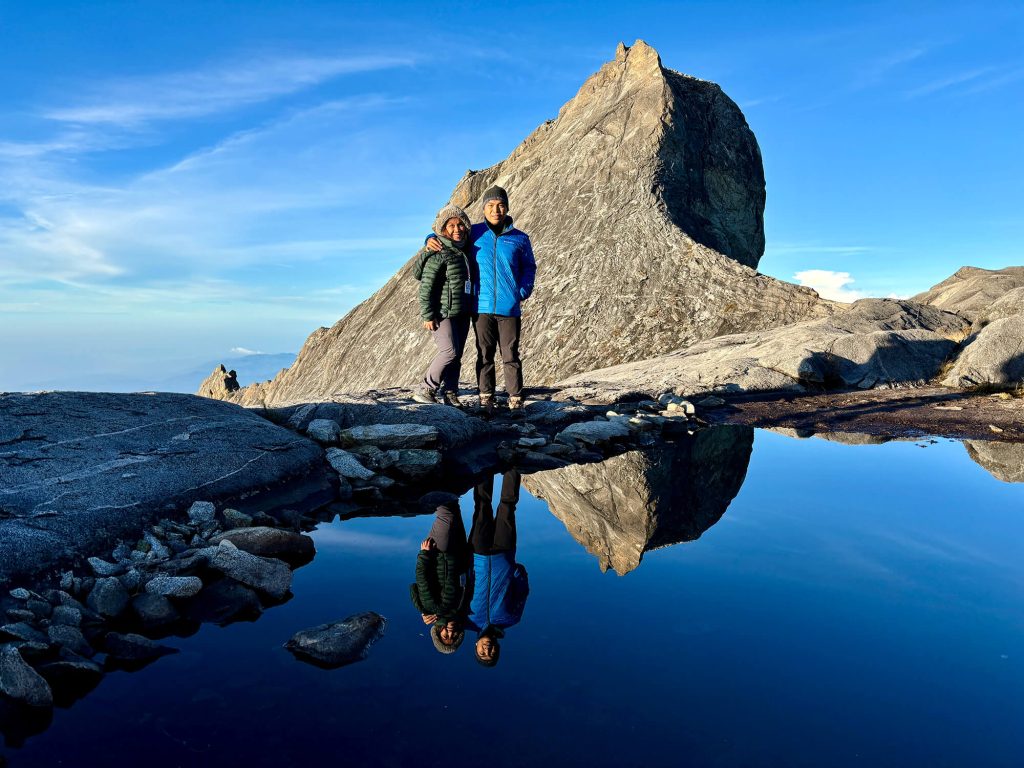
I would like to say thank you to Jonah’s Travel for arranging this tour event—climbing Mount Kinabalu. Highly recommended travel tour, especially for international travel events.
Mt Kinabalu Hike Guide: FAQs
Is Mt Kinabalu hard to hike?
Yes, the Mt Kinabalu hike is considered moderate to challenging, mainly due to its steep trails and high altitude. While no technical climbing skills are required, the Mount Kinabalu climb demands good physical fitness and endurance, especially during the early morning summit push.
How long does the Mt Kinabalu hike take?
The standard Mt Kinabalu hike follows a 2 days and 1 night (2D1N) itinerary. Day 1 involves trekking to Laban Rata, while Day 2 starts early for the summit push to Low’s Peak, followed by descent back to the base.
Do you need a guide for Mt Kinabalu?
Yes, a guide is mandatory for every Mount Kinabalu climb. All hikers must register with the park and be accompanied by a licensed guide as part of the climbing regulations in Kinabalu National Park.
What is the best time to climb Mt Kinabalu?
The best time for a Mt Kinabalu trek is during the dry season from March to September, when the weather is generally more stable. However, conditions can change quickly, so it’s important to be prepared for rain and cold temperatures year-round.
How high is Mount Kinabalu?
Mount Kinabalu stands at 4,095 meters (13,435 feet) above sea level, making it the highest peak in Malaysia and one of the tallest mountains in Southeast Asia.
Can beginners do a Mt Kinabalu hike?
Yes, beginners can complete a Mt Kinabalu hike, but it requires proper preparation and a good level of fitness. Training hikes and endurance exercises are recommended before attempting the Mount Kinabalu climb.
What are the highlights of a Mt Kinabalu trek?
A Mt Kinabalu trek offers diverse and unforgettable highlights, including:
Tropical rainforest and mossy forest trails
Scenic rest stops like Laban Rata
Granite rock formations near the summit
The breathtaking Mount Kinabalu summit sunrise
How much does it cost to climb Mt Kinabalu?
The cost of a Mount Kinabalu climb varies depending on your package, accommodation, and guide fees. Expenses typically include park permits, guide fees, accommodation, and meals. Booking in advance is recommended due to limited daily slots.
If you enjoyed this travel story, don’t miss our other international travel adventures—each one is filled with inspiring journeys waiting to be discovered!